Is It Normal That My Dog Snores?
Yes, some dog snoring is completely normal, but it’s not always harmless background noise. Dog snoring happens when airflow through the nose or throat is partially obstructed during sleep, creating that familiar rumbling sound. Whether your dog’s snoring is a benign quirk or a sign of something worth addressing depends on a few key factors. At Animal Family Veterinary Care Center in Davenport, Iowa, we want to help you understand the difference so you can make informed decisions about your dog’s health.
Why Do Dogs Snore?
Dog snoring occurs when something partially blocks the normal flow of air through your dog’s nasal passages, throat, or airways during sleep. The blockage causes the surrounding soft tissue to vibrate, which produces the snoring sound. There are several reasons this happens, and not all of them are cause for concern.
Breed and Anatomy
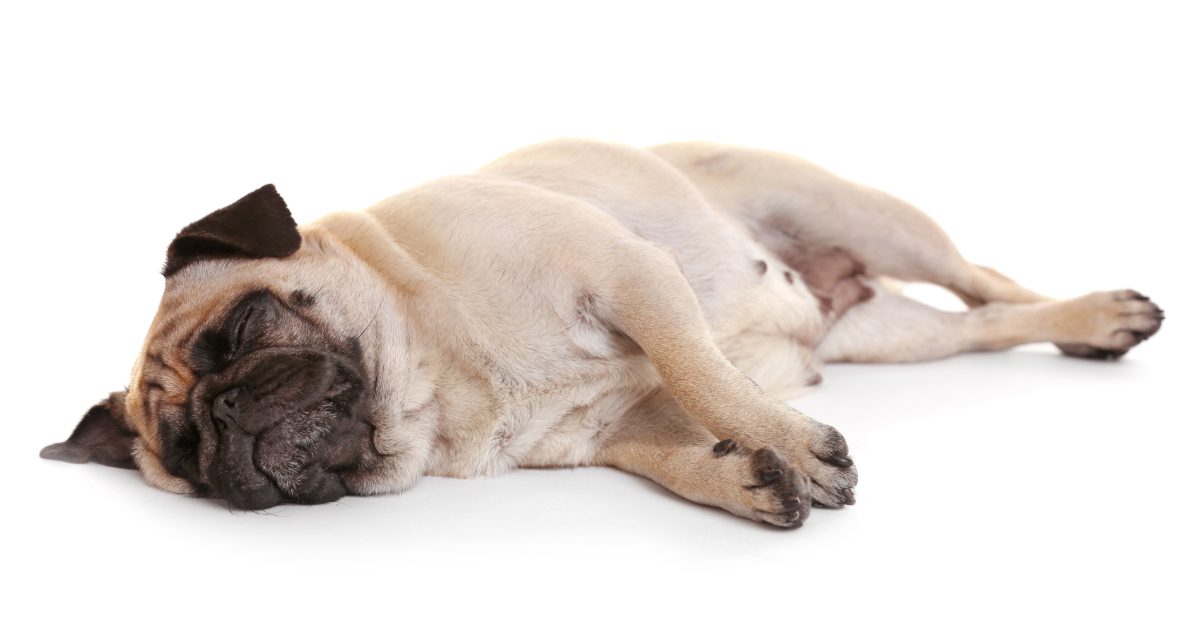
Brachycephalic dog breeds are the most well-known snorers in the canine world. These are dogs with short, flat faces and compressed airways, think Bulldogs, Pugs, Boston Terriers, Boxers, Shih Tzus, and French Bulldogs. Because their airways are naturally narrowed, snoring is practically built into their anatomy. In these breeds, snoring while sleeping is expected and usually not dangerous on its own, though brachycephalic dogs do benefit from regular veterinary monitoring to make sure their breathing doesn’t become labored.
Sleep Position
Just like people, dogs sometimes snore simply because of the way they’re lying down. A dog sleeping on their back or with their neck in an awkward position may snore occasionally, only to stop completely when they shift. If the snoring disappears when your dog changes position, it’s likely nothing to worry about.
Allergies and Congestion
Dogs can develop environmental allergies to pollen, dust, mold, or household cleaning products, and the resulting nasal congestion can lead to snoring. Seasonal snoring that seems to come and go in correlation with time of year or environmental changes is a classic sign of canine allergies at work.
Weight and Obesity
Overweight dogs are more prone to snoring because excess fat around the neck and throat puts pressure on the airway. If your dog has gained weight recently and started snoring, the two may be connected. Weight management, guided by your veterinarian, can significantly reduce snoring and improve your dog’s overall quality of life.
Is My Dog’s Snoring a Health Problem?
Not all dog snoring signals a health issue, but some types of snoring deserve a closer look from your veterinarian. The key is knowing what’s normal for your specific dog and noticing when something changes.
When Dog Snoring Is Probably Fine
- Your dog is a flat-faced breed and has always snored
- The snoring only happens in certain sleep positions
- Your dog sleeps soundly, wakes up easily, and breathes normally while awake
- The snoring started seasonally and corresponds with allergy season
- There are no other symptoms, no coughing, wheezing, or exercise intolerance
When Dog Snoring May Be a Concern
There are situations where snoring in dogs points to an underlying condition that warrants veterinary evaluation. If your dog has started snoring suddenly and there’s been no clear change in position, weight, or environment, that shift in breathing pattern is worth investigating.
- Sudden onset of snoring in a dog that never snored before
- Snoring accompanied by labored breathing, wheezing, or gasping
- Snoring that sounds wet, rattling, or congested
- Coughing, gagging, or choking sounds during or after sleep
- Noisy breathing while your dog is awake and active
- Nasal discharge, nosebleeds, or swollen facial tissues
- Changes in appetite, energy, or exercise tolerance alongside snoring
What Health Conditions Can Cause Dogs to Snore?
Several medical conditions can cause or worsen dog snoring. While this list isn’t exhaustive, it gives you a sense of why a veterinary examination is important when snoring is new, worsening, or accompanied by other symptoms.
Brachycephalic Obstructive Airway Syndrome (BOAS)
BOAS is a condition that affects flat-faced dogs and involves multiple anatomical abnormalities including stenotic nares (narrow nostrils), an elongated soft palate, and a narrowed trachea. Snoring is one symptom, but dogs with BOAS may also struggle to breathe after exercise, overheat easily, and have a reduced quality of life. Surgical correction is available for dogs with severe BOAS, and our veterinary team can help you determine whether your dog would benefit from evaluation.
Nasal Polyps or Tumors
Growths inside the nasal passages, such as polyps or tumors, can obstruct airflow and cause snoring. These are more common in middle-aged and older dogs. If your senior dog develops snoring along with nasal discharge, facial asymmetry, or nosebleeds, a veterinary workup is essential.
Fungal or Bacterial Infections
Respiratory infections, including fungal conditions like aspergillosis, can cause nasal inflammation and obstruction that leads to snoring. These infections often come with additional signs like mucus discharge, pawing at the face, or nosebleeds.
Foreign Objects
Dogs are curious creatures, and occasionally a small object such as a grass seed, a piece of debris, or even a small toy component, ends up lodged in the nasal passage. This can cause sudden snoring, sneezing, and one-sided nasal discharge. It’s an unusual cause but worth mentioning, especially in dogs who spend time outdoors.
Does My Dog’s Snoring Affect Their Sleep Quality?
It depends on the severity of the underlying cause. A dog with mild positional snoring likely sleeps just fine. However, a dog with BOAS, a nasal obstruction, or significant airway narrowing may experience disrupted sleep, reduced oxygen intake during rest, and chronic fatigue, symptoms that are easy to miss but have a real impact on how your dog feels every day.
Watch for signs that your dog isn’t sleeping well:
- Restlessness at night
- Difficulty settling down
- Waking frequently
- Seeming tired and low-energy during the day despite sleeping for long periods
These patterns, combined with snoring, suggest it’s time to talk to your veterinarian.
When to Take Your Dog to the Vet for Snoring
If your dog’s snoring is new, worsening, or accompanied by other symptoms, schedule an appointment at Animal Family Veterinary Care Center. Our veterinarians can perform a thorough physical examination, evaluate your dog’s airway and nasal passages, and recommend appropriate diagnostics if needed. Early evaluation matters, especially for brachycephalic dogs, because airway conditions tend to worsen over time without intervention.
There’s no need to wonder whether your dog’s snoring is a sign of something serious. A conversation with our team can give you the peace of mind you’re looking for or connect you with the care your dog needs.
What Your Dog’s Snoring Is Trying to Tell You
Dog snoring is one of those things that can be completely harmless or quietly pointing to a health issue worth addressing. Knowing your dog’s normal breathing patterns, watching for changes, and partnering with a veterinarian you trust makes all the difference. Our team at Animal Family Veterinary Care Center in Davenport is here to help you navigate questions like these because understanding your pet’s health shouldn’t feel overwhelming. Give us a call at (563) 391-9522 or book an appointment online whenever you have concerns, and let us help you give your dog the best possible quality of life.
Recent Posts
About Us
Animal Family Veterinary Care offers an extensive range of services all in one place, so we can meet your pet’s needs in almost every situation. Our veterinarians in Davenport treat dogs and cats because every pet is unique and important.