My Cat Is Panting – Should I Call The Vet?
If your cat is panting, yes, you should call the vet. Unlike dogs, cats do not normally pant to cool down. A cat that is panting is almost always experiencing something medically significant, and a phone call to Animal Family Veterinary Care Center in Davenport, Iowa is the right first move. While there are a handful of non-emergency situations where brief panting in cats can occur, cat panting should never be brushed off as normal without professional guidance.
Is It Normal for Cats to Pant?
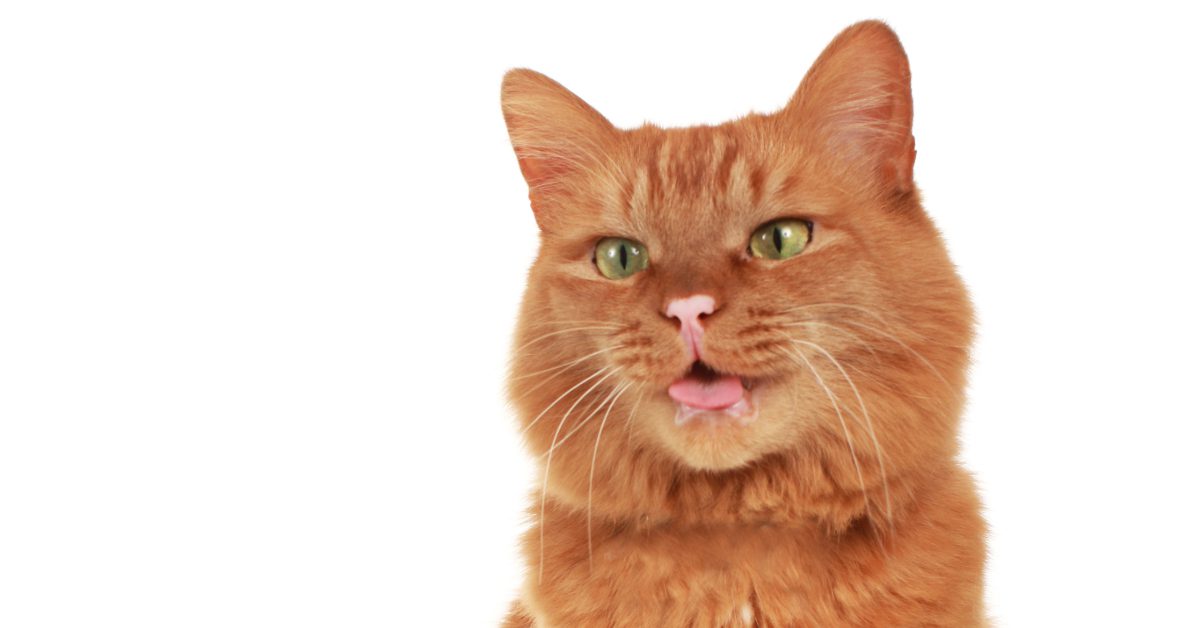
Cats do not pant the way dogs do. Dogs use open-mouth breathing as a primary cooling mechanism, so seeing a dog pant after a run is completely normal. Cats are different. Feline panting, where the mouth is open and the tongue may be visible, is not a routine behavior. When a cat is panting, it’s a sign that something is wrong or, in rare cases, that the cat is under extreme stress.
The Rare Times Panting in Cats May Be Normal
There are a small number of scenarios where brief, mild panting in cats can be situational rather than medical. These include:
- Extreme physical exertion: A cat that has been playing intensely may occasionally pant briefly. This should stop within a few minutes once the cat rests.
- Significant stress or fear: A cat who is highly anxious during a car ride, a vet visit, or a loud event may pant temporarily. Once the stressor is removed and the cat calms down, the panting should resolve.
- Extreme heat: Overheated cats may pant as a last resort when they cannot cool down. This is a warning sign, not a normal cooling behavior.
Even in these situations, if the panting doesn’t resolve quickly once the cat has rested in a calm, cool environment, it warrants a call to your veterinarian. Our team at Animal Family Veterinary Care Center is always available to help you determine whether what you’re seeing requires a visit.
What Does It Mean When a Cat Is Panting?
When a cat is panting without an obvious short-term cause like intense play or a stressful car ride, it almost always indicates a medical problem. Cat panting can be a symptom of several serious conditions that need prompt veterinary attention.
Respiratory Conditions
Respiratory illness is one of the most common medical reasons for a cat panting. Conditions like asthma, pneumonia, pleural effusion (fluid around the lungs), and pyothorax (pus in the chest cavity) can all impair a cat’s ability to breathe normally, causing them to open their mouth to get more air. A cat with a respiratory condition may also breathe with an exaggerated chest or abdominal effort, wheeze, or cough.
Heart Disease
Hypertrophic cardiomyopathy (HCM) is the most common form of heart disease in cats, and it can be present for years without obvious symptoms. When heart disease progresses to the point of causing fluid buildup around the lungs, one of the first visible signs is labored breathing or panting. If your cat is panting and seems weak, lethargic, or reluctant to move, heart disease is a serious possibility.
Heatstroke
Cats can develop heatstroke in hot, poorly ventilated environments, including parked cars and outdoor enclosures in direct summer sun. An overheated cat may pant, drool, appear disoriented, or have red gums. Heatstroke in cats is a medical emergency. If your cat has been exposed to extreme heat and is panting, move them to a cool environment and contact Animal Family Veterinary Care Center immediately.
Pain or Distress
Cats in significant pain, from injury, internal illness, urinary obstruction, or other conditions, may pant as part of their stress response. Because cats are masters at hiding pain, panting can sometimes be one of the first obvious signs that something is seriously wrong. Don’t wait to see if it passes. A cat that is panting and appears uncomfortable deserves prompt veterinary evaluation.
Anemia
Cats with severe anemia, a decrease in red blood cells, have reduced oxygen-carrying capacity in the blood. This can cause open-mouth breathing or panting as the body tries to compensate. Pale or white gums alongside panting is a red flag for anemia or cardiovascular compromise.
What Are the Other Signs to Watch for Alongside Cat Panting?
Panting in cats is concerning on its own, but certain accompanying signs indicate that the situation is urgent. Call Animal Family Veterinary Care Center or seek emergency veterinary care immediately if your panting cat is also showing any of the following:
- Breathing with the mouth open while at rest
- Rapid, shallow, or labored breathing
- Pale, white, blue, or gray gums or tongue
- Extended neck and elbows pushed outward while breathing (orthopneic posture)
- Lethargy or inability to stand
- Collapse or loss of consciousness
- Refusal to eat or drink
- Visible distress, crying, or restlessness
What Will the Vet Do for a Panting Cat?
When you bring a panting cat to Animal Family Veterinary Care Center, our veterinary team will perform a thorough physical examination with special attention to your cat’s cardiovascular and respiratory systems. Depending on what the exam reveals, diagnostics may include chest X-rays to evaluate the lungs and heart, blood tests to check for anemia or organ dysfunction, ultrasound to assess heart structure and function, and oxygen supplementation if your cat is in respiratory distress.
The goal is to identify the underlying cause of the panting and begin appropriate treatment as quickly as possible. Early intervention makes a significant difference in outcomes for cats with respiratory or cardiac conditions.
Why You Shouldn’t Wait When Your Cat Is Panting
Cat panting is not a wait-and-see symptom. Because cats instinctively conceal signs of illness, by the time a cat is panting visibly and consistently, something significant is often already underway. Our veterinary team at Animal Family Veterinary Care Center in Davenport understands how alarming it can be to see your cat struggling to breathe. Don’t hesitate to call us at (563) 391-9522, even if you’re not sure whether what you’re seeing is an emergency. We would rather help you assess a situation that turns out to be minor than have you wait on something that needs immediate care. Your cat’s respiratory health is not something to gamble with.
Recent Posts
About Us
Animal Family Veterinary Care offers an extensive range of services all in one place, so we can meet your pet’s needs in almost every situation. Our veterinarians in Davenport treat dogs and cats because every pet is unique and important.