Dog Dehydration: Causes, Signs, Treatments and Prevention Tips
Dog dehydration is a serious health condition that occurs when your dog loses more fluids than they take in, and it can become life-threatening faster than many pet owners realize. If you’re wondering whether your dog is dehydrated, the most telling signs include dry gums, sunken eyes, lethargy, and loss of skin elasticity. At Animal Family Veterinary Care Center in Davenport, Iowa, our veterinary team wants every pet owner to feel confident recognizing the warning signs and knowing when to seek professional care.
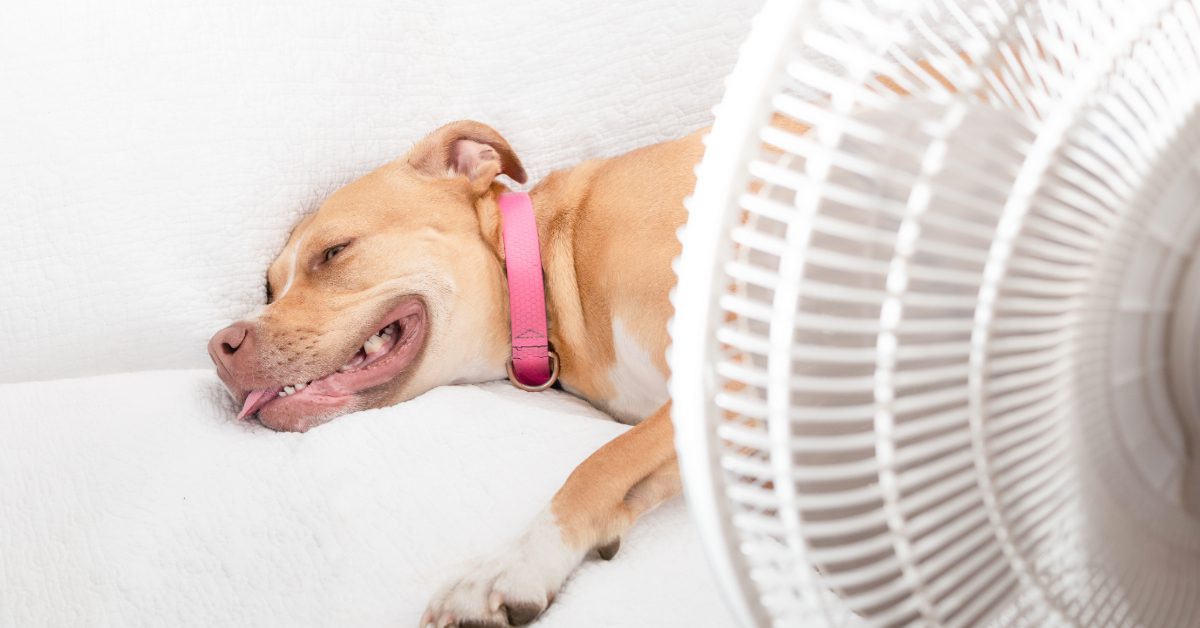
What Causes Dehydration in Dogs?
Understanding why dogs become dehydrated is the first step in keeping them safe. Dehydration in dogs happens when the body’s fluid balance tips out of control, whether due to insufficient water intake, excessive fluid loss, or an underlying medical condition. Knowing the causes can help you act quickly before the situation becomes critical.
Common Causes of Dog Dehydration
- Hot weather and overheating: Dogs regulate body temperature through panting, which rapidly depletes fluids. Summer heat in the Midwest can push dogs toward dehydration faster than owners expect.
- Vomiting and diarrhea: Gastrointestinal illness causes your dog to lose fluids and electrolytes at an alarming rate.
- Fever: A dog running a fever burns through fluids as the body fights infection.
- Excessive exercise: Active dogs who work or play hard without adequate water breaks are prime candidates for dehydration.
- Illness or disease: Conditions like kidney disease, diabetes, and Addison’s disease can all interfere with normal fluid regulation.
- Not drinking enough water: Some dogs are simply reluctant drinkers, especially when their water bowl is dirty, placed inconveniently, or filled with water they find unpalatable.
How Do I Know If My Dog Is Dehydrated?
Pet owners often ask, “How can I tell if my dog is dehydrated at home?” There are a few reliable methods you can use to assess your dog’s hydration status, though none of these replace a professional veterinary evaluation when symptoms are serious.
The Skin Turgor Test
Gently pinch the skin at the back of your dog’s neck or between the shoulder blades and release it. In a well-hydrated dog, the skin snaps back immediately. If the skin returns slowly or tents (stays lifted), your dog may be experiencing dehydration. Keep in mind that this test is less reliable in older dogs or dogs with loose skin.
Check the Gums
A hydrated dog has moist, pink, slippery gums. Press your finger against your dog’s gum and release. In a healthy dog, the color returns within two seconds. Pale, dry, sticky, or tacky gums are a red flag that your dog needs immediate attention.
Signs and Symptoms of Dehydration in Dogs
- Dry, sticky, or pale gums
- Sunken or dull-looking eyes
- Loss of skin elasticity (skin tenting)
- Lethargy or unusual tiredness
- Loss of appetite
- Thick, ropy saliva
- Reduced urination or dark-colored urine
- Panting excessively even at rest
- Dry nose
Mild dog dehydration may involve one or two of these signs, while moderate to severe dehydration often presents with several symptoms simultaneously. If your dog is showing multiple signs, contact Animal Family Veterinary Care Center or seek emergency veterinary care right away.
How Serious Is Dog Dehydration?
Dehydration is never “just” a minor inconvenience for dogs. Even mild dehydration can impair organ function, reduce energy levels, and make your dog feel terrible. Severe dehydration in dogs is a medical emergency that can lead to organ failure, shock, and death if left untreated.
Mild vs. Severe Dehydration
Veterinarians generally classify dehydration by the percentage of body weight lost through fluid. A dog who has lost just 5% of their body weight in fluids may already be showing visible signs of dehydration. At 10–12% fluid loss, the condition is critical and requires immediate intravenous (IV) fluid therapy. That’s why early recognition matters so much.
How Is Dog Dehydration Treated?
Treatment for dehydration in dogs depends entirely on the severity of the condition and the underlying cause. This is not a situation where home remedies are appropriate for anything beyond the earliest, mildest signs. If you suspect your dog is dehydrated, a veterinary visit is the right move.
Veterinary Treatment Options
At Animal Family Veterinary Care Center, our veterinary team evaluates each dog’s hydration status using a physical exam and, when necessary, bloodwork to assess kidney function, electrolytes, and overall health. Treatment may include:
- Intravenous (IV) fluid therapy: For moderate to severe dehydration, IV fluids are the most effective way to rapidly restore hydration and electrolyte balance.
- Subcutaneous fluids: For milder cases, fluids administered under the skin may be appropriate.
- Oral rehydration: In very mild cases, your veterinarian may advise encouraging water intake, sometimes with electrolyte solutions formulated for dogs.
- Treating the underlying cause: Addressing vomiting, diarrhea, fever, or disease is just as important as replacing fluids.
When Should I Take My Dehydrated Dog to the Vet?
Any time you suspect your dog is more than mildly dehydrated, a call to your veterinarian is the right first step. Don’t wait to see if things improve on their own when your dog is showing signs of distress. Contact Animal Family Veterinary Care Center if your dog is:
- Showing multiple signs of dehydration at once
- Vomiting or experiencing diarrhea that won’t stop
- Lethargic or unresponsive
- Refusing all food and water
- A senior dog, a puppy, or a dog with a known chronic illness
Puppies, senior dogs, and dogs with underlying health conditions are especially vulnerable to the effects of dehydration and should be seen promptly at the first sign of trouble. Our team is here to help you make the right call for your pet’s care.
How to Prevent Dehydration in Dogs
The good news is that dog dehydration is largely preventable with a few simple habits. Here’s what our veterinary team at Animal Family Veterinary Care Center recommends to keep your dog properly hydrated year-round.
Fresh Water, Always
Make sure your dog has access to clean, fresh water at all times. Change the water daily, wash the bowl regularly, and consider placing multiple water stations around the home, especially in warm weather. Some dogs prefer running water and drink more readily from a pet fountain.
Limit Exercise in the Heat
During Iowa’s hot, humid summers, take extra precautions with outdoor exercise. Walk your dog in the early morning or evening when temperatures are cooler, bring water with you on walks, and watch for early signs of overheating. Never leave your dog in a parked car.
Know Your Dog’s Baseline
Understanding how much your dog typically drinks helps you notice when something is off. A sudden decrease in water consumption can be an early sign of illness or dental pain that’s making drinking uncomfortable. If you notice changes, schedule a wellness visit with your vet.
Protecting Your Dog From Dehydration Starts With You
Dog dehydration is a real risk, especially during the warm summer months in Davenport and throughout the Quad Cities area. But with the right knowledge and a little daily attention, you can protect your dog from this preventable condition. If you ever have questions about your dog’s health or hydration, our team at Animal Family Veterinary Care Center is here for you. Call us at (563) 391-9522 or book an appointment online. Your dog’s health is always our priority.
Recent Posts
About Us
Animal Family Veterinary Care offers an extensive range of services all in one place, so we can meet your pet’s needs in almost every situation. Our veterinarians in Davenport treat dogs and cats because every pet is unique and important.