Why Is My Cat Sneezing? Common Causes and When to Call the Vet
Cat sneezing is usually caused by a minor irritant like dust or scented litter, but frequent or ongoing sneezing often points to an upper respiratory infection, dental disease, or another health problem that needs a veterinarian’s attention. An occasional sneeze is normal. A cat sneezing several times a day, especially with eye or nasal discharge, is a different story. Pet owners in Davenport often call us after noticing a new sneezing habit and wondering whether their cat simply caught a whiff of something or is getting sick. Because cats are experts at hiding discomfort, a sneeze can be one of the first visible clues that something is off. In this guide, the team at Animal Family Veterinary Care explains why cats sneeze, which causes deserve a closer look, how veterinarians find the source of the problem, and what treatment typically involves.
Why Do Cats Sneeze?
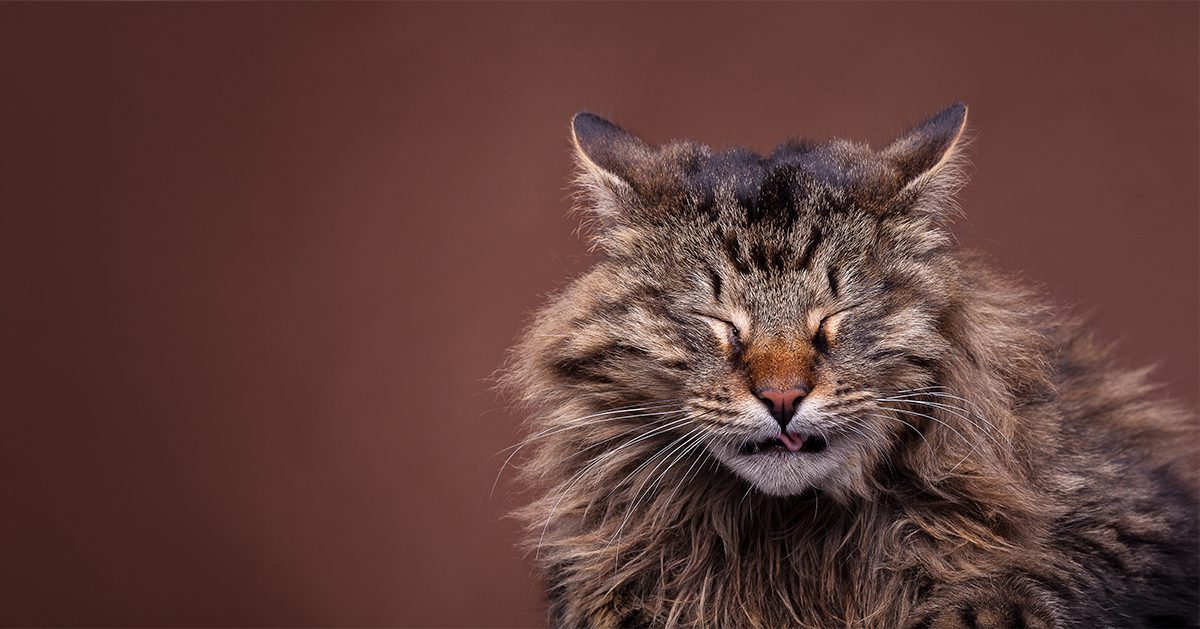
Like people, cats sneeze to clear something irritating out of their nasal passages.
A sneeze is a reflex. When dust, pollen, or a strong odor tickles the sensitive lining inside the nose, the body forces air out quickly to push the irritant away. A single sneeze or a short burst now and then is part of normal life for most cats and rarely signals a health concern. Sneezing can also come with a related behavior called reverse sneezing, where a cat pulls air in sharply through the nose with a snorting sound. Both can look startling, but a brief episode in an otherwise healthy cat usually isn’t cause for alarm. Occasional cat sneezing often follows a romp under the bed, a sniff of a dusty corner, or a trip through a freshly cleaned room. Paying attention to when and where the cat sneezing happens gives you useful details to share with your veterinarian later.
Everyday Triggers Inside Your Home
Much of the cat sneezing we hear about at this time of year starts at home. Many household items can set off a sneezing fit, especially in cats with sensitive noses. Common culprits include:
- Dusty or heavily scented cat litter
- Perfumes, air fresheners, scented candles, and plug-in diffusers
- Cleaning sprays and carpet powders
- Cigarette or fireplace smoke
- Pollen and mold drifting in through open windows
- Dust from furnaces running for the first time in the fall
If your cat sneezes only in certain rooms or right after you use a particular product, an environmental trigger is a likely explanation. Your veterinarian can help you confirm that before you assume the problem is harmless. Cat sneezing tied to irritants usually stops once the trigger is gone, and the cat otherwise eats, plays, and grooms normally.
Why Does My Cat Keep Sneezing? Is It Serious?
Repeated sneezing over several days usually means something more than a passing irritant is at work.
Persistent cat sneezing has a wide range of possible causes, from common infections to problems hidden inside the nose or mouth. Upper respiratory infections are the most frequent reason behind cat sneezing that won’t let up. These infections behave a lot like a human cold and spread easily in shelters, catteries, and multi-cat homes. Possible causes of ongoing sneezing in cats include:
- Feline herpesvirus (FHV-1), which can stay dormant and flare up during times of stress
- Feline calicivirus, which may also cause mouth ulcers
- Bacterial infections such as Chlamydia felis, Bordetella, or Mycoplasma
- Dental disease, since infected upper tooth roots sit close to the nasal passages
- Nasal polyps, which are benign growths more common in young cats
- A foreign object, such as a blade of grass, lodged in the nose
- Fungal infections, including Cryptococcus
- Nasal tumors, which are more likely in older cats
- A short-term reaction to an intranasal vaccine
How Serious Is Your Cat’s Sneezing?
Is cat sneezing ever an emergency? Occasionally. Many sneezing cats recover from mild respiratory infections within one to three weeks with veterinary guidance. Still, some causes can become serious if left alone. Respiratory infections can lead to pneumonia, eye ulcers, or chronic nasal inflammation. Cats who can’t smell their food may also stop eating, and even a few days without food can cause liver problems in cats. Kittens, senior cats, flat-faced breeds like Persians, and cats with FIV or FeLV face a higher risk of complications. Sneezing that comes with discharge from one nostril, a nosebleed, or facial swelling deserves prompt attention.
How Do Vets Determine the Cause of Cat Sneezing?
Finding the reason behind your cat’s sneezing usually takes a step-by-step approach.
Your veterinarian will start with a detailed history of your cat sneezing episodes. Expect questions about when it began, whether the discharge is clear or colored, if other pets in your home are sick, whether your cat goes outdoors, and if anything in the home has changed recently. A new cat, a boarding stay, or a move can all stress a cat enough to trigger a herpesvirus flare.
Next comes a full physical exam. Your vet will check the eyes, nose, mouth, teeth, lymph nodes, and lungs, and take your cat’s temperature. A careful look at the teeth matters because dental disease is an often overlooked cause of chronic cat sneezing.
Diagnostic Tests Your Vet May Recommend
When the cause isn’t clear from the exam, or the cat sneezing continues despite treatment, further testing helps narrow things down. Depending on your cat’s symptoms, your veterinarian may suggest a respiratory PCR panel using a swab from the eyes, nose, or throat to identify specific viruses and bacteria. Blood work and testing for FeLV and FIV can reveal underlying conditions that weaken the immune system. Dental X-rays can uncover tooth root infections, while skull X-rays or a CT scan show changes inside the nasal passages. In some cases, a veterinarian uses a small camera, called rhinoscopy, to look inside the nose and collect samples. Each step brings your vet closer to an accurate diagnosis and a treatment plan that targets the actual problem.
How To Treat a Sneezing Cat
The right treatment depends entirely on what’s causing the sneezing, which is why a diagnosis comes first.
For a sneezing cat with a viral upper respiratory infection, care often focuses on supporting the body while the immune system fights off the virus. Your veterinarian may prescribe antiviral medication for herpesvirus, eye medication for conjunctivitis, or antibiotics when a bacterial infection is present. Cats who are dehydrated or refusing food may need fluid therapy or appetite support in the clinic. Other causes call for different approaches. Dental disease may require a cleaning and tooth extraction, polyps and foreign objects often need removal, and fungal infections typically need long-term antifungal medication. Your vet will also explain how to help your cat stay comfortable at home during recovery. For cats with herpesvirus, cat sneezing may return during stressful periods throughout life, so your veterinarian may talk with you about a long-term management plan. Recheck visits matter too, since they confirm the treatment is working and allow adjustments if the sneezing cat isn’t improving as expected.
It can be tempting to reach for something in the medicine cabinet when cat sneezing gets worse, but please don’t give your cat human medications, including decongestants or pain relievers. Cats are extremely sensitive to many common drugs, and acetaminophen is toxic to them even in small amounts.
Lowering the Odds of Future Sneezing Episodes
Not every case can be prevented, but a few habits reduce the chances of cat sneezing turning into a recurring problem:
- Keep up with the FVRCP vaccine, which protects against herpesvirus and calicivirus
- Switch to a low-dust, unscented litter
- Separate new cats from current pets until a veterinarian has examined them
- Limit stress with consistent routines and quiet resting spots
- Schedule regular dental checkups and wellness exams
When To See a Vet for Your Cat’s Sneezing
Occasional cat sneezing rarely needs a visit, but some signs mean it’s time to call. Reach out to your veterinarian if cat sneezing lasts more than a few days, if the nasal or eye discharge turns yellow, green, or bloody, or if your cat stops eating for more than a day. Open-mouth breathing, labored breathing, lethargy, and facial swelling need same-day care. Kittens and senior cats should be seen promptly at the first sign of illness, since cat sneezing in these age groups can worsen quickly. At Animal Family Veterinary Care in Davenport, IA, our veterinary team can find the source of your cat’s sneezing, recommend the right treatment, and update the vaccines that protect against common respiratory infections. Your cat can’t tell you how they feel, but we can help you figure it out together. To schedule an appointment, call today.
Recent Posts
About Us
Animal Family Veterinary Care offers an extensive range of services all in one place, so we can meet your pet’s needs in almost every situation. Our veterinarians in Davenport treat dogs and cats because every pet is unique and important.