Can Dogs Eat Pumpkin? Health Benefits, Serving Sizes, and More
Can dogs eat pumpkin? Yes. Plain cooked pumpkin and 100% pure canned pumpkin are safe for most dogs in small portions, and both deliver fiber, vitamins, and extra moisture. Problems usually come from pumpkin pie filling, spiced seasonal treats, raw rinds, and stems. Every fall, pet owners across Davenport ask us some version of the same thing: can dogs eat pumpkin, and how much is too much? It’s a fair question, since pumpkin turns up everywhere this time of year, from Thanksgiving desserts to front porch displays. In this guide, the team at Animal Family Veterinary Care explains what makes pumpkin a smart occasional snack, which forms your dog should skip, what to know about pumpkin seeds, and how to add this seasonal favorite to your dog’s bowl without overdoing it. Use it as a helpful starting point, then talk with your veterinarian about what fits your own dog’s health and diet.
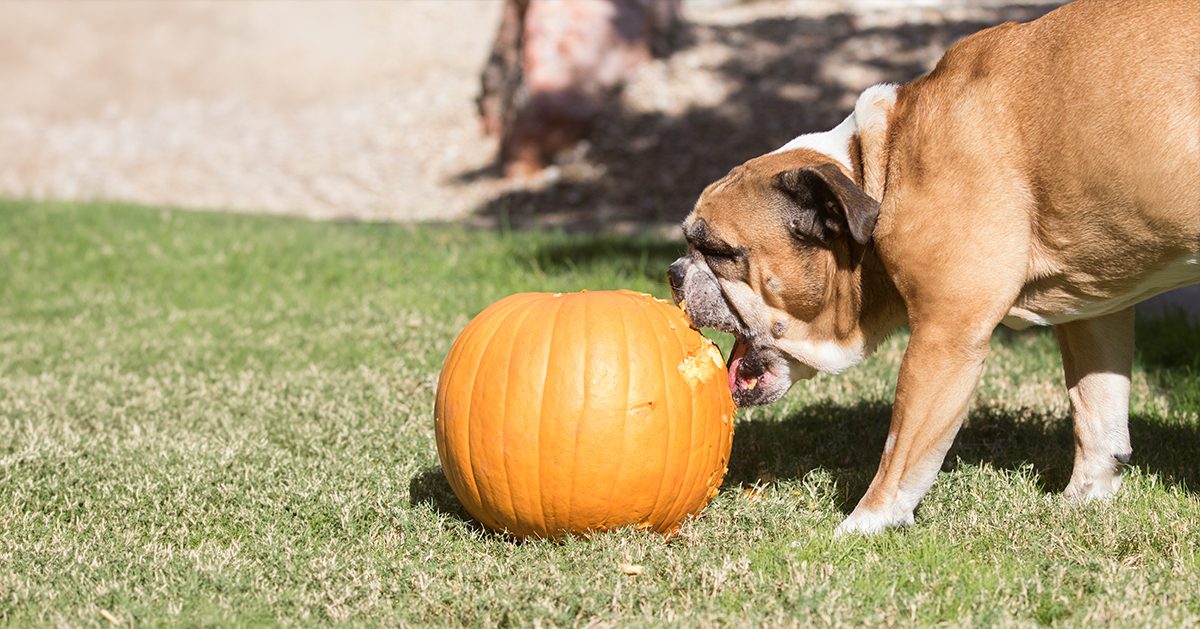
Can Dogs Have Pumpkin? What Pet Owners Should Know
The short answer is yes, as long as you pick the right kind and serve it plain.
So, can dogs eat pumpkin every day, or only once in a while? Most healthy adult dogs can enjoy a small amount as an occasional treat or food topper. The safest options are fresh pumpkin that has been cooked with no added ingredients and canned pumpkin labeled as 100% pure pumpkin. For most pet parents researching whether dogs can eat pumpkin, canned puree is the most convenient choice for most households because it’s already cooked, smooth, and easy to portion.
The form matters more than many people realize. Canned pumpkin pie filling sits right next to plain puree on grocery store shelves, and the two cans look nearly identical. Pie filling contains sugar and spice blends that don’t belong in a dog’s diet. Raw pumpkin is another poor choice, since the firm flesh is tough for dogs to digest and may lead to stomach upset.
Can Dogs Eat Pumpkin Seeds?
The question “can dogs eat pumpkin” often leads straight to another one: what about the seeds? Pumpkin seeds are safe for dogs in small quantities when they’re cleaned, roasted, and completely unseasoned. They contain healthy fats, protein, and minerals like zinc and magnesium. That said, the seeds are calorie-dense, so a few go a long way for a dog’s waistline. Whole seeds with the shell on can be hard for smaller dogs to chew and digest, which is why many owners prefer shelled or ground seeds. Skip any seeds roasted with salt, garlic, butter, or spice mixes, along with trail mixes and snack blends made for people. If you’re unsure whether pumpkin seeds make sense for your dog, your veterinarian can help you decide.
Is Pumpkin Good for Dogs? Key Health Benefits
Pumpkin brings several nutritional perks to the table, which explains why it’s such a popular dog-friendly ingredient.
Many commercial dog foods and treats already list pumpkin as an ingredient, and for good reason. It’s naturally low in calories and fat while still offering a solid mix of nutrients. When pet owners search “can dogs eat pumpkin,” they’re often hoping to learn about these benefits:
- Dietary fiber: Pumpkin contains both soluble and insoluble fiber, which support healthy digestion and regular bowel movements.
- Beta-carotene and vitamin A: These nutrients play a role in eye health, skin and coat condition, and immune function.
- Vitamins C and E: Both act as antioxidants that help protect cells from everyday damage.
- Potassium: This mineral supports muscle function and healthy blood pressure.
- Moisture: Pumpkin is roughly 90% water, so it adds a little extra hydration to dry kibble.
Why Fiber Makes Pumpkin Stand Out
Fiber is the nutrient most closely tied to pumpkin’s reputation. It helps move food through the digestive tract at a steady pace and supports a balanced gut environment. For dogs that need to lose a few pounds, a spoonful of pumpkin can add bulk to a meal and help them feel full without piling on calories. You may have heard that veterinarians sometimes include pumpkin in a plan for dogs with digestive issues. That decision should come from your vet after an exam, though, because ongoing diarrhea or constipation can point to an underlying problem that pumpkin alone won’t fix. For a dog with digestive trouble, the most reliable answer to “can dogs eat pumpkin” comes from someone who has examined your pet.
Is Pumpkin Bad for Dogs? Risks and Products to Avoid
Pumpkin itself is rarely the problem, but the way it’s prepared, packaged, or displayed can create real risks.
Can dogs eat pumpkin without any downside at all? Not quite. Too much pumpkin can overload a dog’s digestive system with fiber, leading to gas, bloating, or loose stools. Pumpkin also contains natural sugars, so overfeeding adds unnecessary calories over time. The bigger concern for many households, though, is the long list of pumpkin-flavored products that appear every autumn. Watch out for these:
- Pumpkin pie filling and baked pumpkin pie, which contain sugar, fat, and spices like nutmeg
- Pumpkin spice lattes, creamers, and whipped toppings loaded with sugar and dairy
- Sugar-free pumpkin desserts or baked goods that may contain xylitol, a sweetener that is toxic to dogs
- Carved jack-o’-lanterns and decorative pumpkins that have started to rot or grow mold
- Stems, rinds, and leaves, which pose choking and intestinal blockage risks
When Pumpkin May Not Be the Right Fit
Some dogs need extra caution. Dogs with diabetes, kidney disease, food sensitivities, or a prescription diet may not handle added foods of any kind well. Puppies and senior dogs can also have more sensitive stomachs. For a dog with a medical condition, the answer to “can dogs eat pumpkin” depends on that condition, so check with your veterinarian first. If your dog gets into a pie, a sugar-free dessert, or a moldy porch pumpkin, call your vet right away rather than waiting for symptoms to show up.
How Much Pumpkin Can a Dog Have Safely?
The right portion depends on your dog’s size, age, activity level, and overall health.
Once you’ve answered “can dogs eat pumpkin,” the next question is portion size. A good rule of thumb is that treats and extras, pumpkin included, should make up no more than 10% of your dog’s daily calories. Pumpkin works best as an occasional addition rather than a daily staple unless your veterinarian recommends otherwise. Here are general treat-sized amounts many vets share for healthy adult dogs:
- Small dogs (under 20 pounds): about 1 teaspoon
- Medium dogs (20 to 50 pounds): about 2 teaspoons to 1 tablespoon
- Large dogs (over 50 pounds): about 1 to 2 tablespoons
These ranges are only a general reference. Can dogs eat pumpkin in bigger servings than this? Some can, but larger portions raise the odds of an upset stomach and add calories quickly. Your veterinarian can recommend a portion based on your dog’s weight, body condition, and current diet.
How To Safely Feed Pumpkin to Dogs
Knowing the answer to “can dogs eat pumpkin” is only half the job, because preparation matters just as much. Start by reading labels carefully and choosing canned pumpkin with a single ingredient: pumpkin. If you prefer fresh, remove the stem, skin, seeds, and stringy pulp, then bake, steam, or boil the flesh without salt, butter, oil, or seasonings. Mash it well before serving. Introduce pumpkin slowly with a small amount at first so you can see how your dog’s stomach responds. Many owners stir it into regular meals, while others freeze spoonfuls in silicone molds or ice cube trays for a cool treat. Opened canned pumpkin stays fresh in the refrigerator for only a few days, so freezing leftovers in single portions helps cut down on waste.
Questions About Your Dog’s Diet? Animal Family Veterinary Care Can Help
Pumpkin can be a wholesome seasonal treat when you choose the plain stuff and serve it in sensible amounts. Still, every dog is different, and a food that agrees with one pet may not suit another. If you’ve been wondering “can dogs eat pumpkin” for a pup with a sensitive stomach, a chronic health condition, or a habit of raiding the trash, a quick conversation with your veterinarian is the best next step. At Animal Family Veterinary Care in Davenport, IA, our team is happy to talk through treats, nutrition, weight goals, and any digestive changes you’ve noticed at home. We can help you build a feeding plan that fits your dog’s age, size, and lifestyle all year long. To schedule an appointment or ask a question, call us at today.
Recent Posts
About Us
Animal Family Veterinary Care offers an extensive range of services all in one place, so we can meet your pet’s needs in almost every situation. Our veterinarians in Davenport treat dogs and cats because every pet is unique and important.