Why Is My Cat Spraying? Decoding This Cat Behavior
Cats can be mysterious in their actions, and one behavior that often puzzles and frustrates owners is spraying. If you’ve noticed your cat backing up to a wall, piece of furniture, or even your belongings and releasing a small amount of urine, you’re dealing with spraying. Unlike accidents in the litter box, this behavior has a purpose rooted in feline communication and instinct. The team at Animal Family Veterinary Care Center can help you better understand why cats spray and help you address it effectively and restore harmony in your home. Call us at (563) 391-9522 or book an appointment online.
What Is Spraying in Cats?
Spraying happens when a cat deposits urine on vertical surfaces rather than eliminating in the litter box. Cats and spraying go hand in hand as part of their natural communication system. Both male and female cats may spray, although it’s more common in males. The act isn’t about improper litter box training, it’s a way for cats to send a message. When your cat sprays, they often back up to a surface, quiver their tail, and release a small amount of urine. Unlike full urination, spraying is usually just a mark. This distinction is important because it signals that spraying is tied to behavior and social factors rather than purely physical elimination needs.
Why Do Cats Spray?
Cats and spraying behaviors can stem from several reasons, and each one connects back to their instincts. Spraying is often your cat’s way of expressing something to you or other animals in the household.
Marking Territory
Cats are territorial by nature. Urine carries pheromones, which are powerful scent markers that communicate ownership. When your cat sprays, they’re saying, “This is mine.” In multi-pet households, spraying can help establish boundaries or assert dominance.
Stress and Anxiety
Stress plays a big role in why cats spray. Cats thrive on routine, and disruptions whether a move, new pet, or even rearranging furniture—can unsettle them. Spraying becomes a coping mechanism, a way to re-establish control over their environment.
Social Conflicts
When multiple cats share the same space, tension can build. Even subtle conflicts, such as competing for food, litter boxes, or favorite napping spots, may trigger spraying. It’s a way for cats to set boundaries without resorting to physical fights.
Attracting a Mate
Cats that have not been spayed or neutered may spray as part of reproductive behavior. Spraying communicates sexual availability and helps cats find mates. This is why the behavior is often reduced after spaying or neutering.
Identifying Triggers for Spraying
Triggers can range from simple household changes to deeper social conflicts.
Environmental Changes
A new couch, baby, or even seasonal decorating can throw a cat off balance. Cats notice these changes and sometimes spray as a response to regain familiarity in their environment.
Outdoor Cats
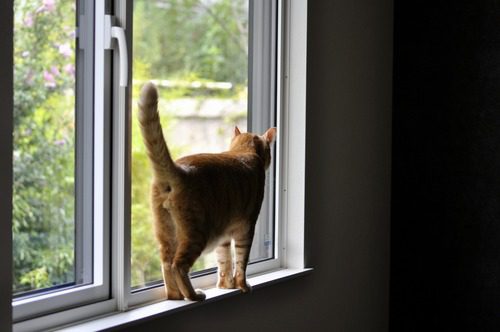
Seeing or smelling another cat outside the window can trigger indoor spraying. Your cat may feel their space is threatened and respond by marking their territory.
Resource Shortages
If there are too few litter boxes, scratching posts, or safe hiding spots, cats may spray as a way to claim what they feel is theirs. Adding more resources can reduce tension.
Spraying vs. Litter Box Problems
It’s important to distinguish between cats and spraying behavior versus litter box issues. While both involve urine, the reasons are very different.
Spraying Behavior
- Urine is deposited on vertical surfaces
- Tail often quivers during the act
- Usually a small amount of urine
- Associated with communication and marking
Litter Box Problems
- Urine is deposited on horizontal surfaces
- Often larger amounts of urine
- May point to aversion to the litter box
- Can signal a medical issue or discomfort
Recognizing the difference helps determine whether the problem is rooted in behavior, medical concerns, or both.
How Cats Use Spraying to Communicate
Cats and spraying behaviors are deeply tied to feline communication. Each spray carries chemical signals that provide information to other cats.
Claiming Ownership
Spraying sends a strong message: “This is my space.” By marking territory, cats avoid direct confrontations, since other cats can detect the scent and respect the boundary.
Sending Warnings
Spraying may also serve as a warning to other cats. Instead of escalating to aggressive fights, spraying allows cats to maintain peace through scent-based communication.
Expressing Emotional States
Cats may spray when they feel stressed, threatened, or insecure. Spraying reflects their inner emotional state, making it a valuable insight into how they’re feeling.
Cats and Spraying in Multi-Cat Homes
Living with multiple cats can increase spraying incidents, as social hierarchies and territory disputes often arise.
Competition for Space
Even if plenty of square footage is available, cats tend to compete for high-value spaces like sunny window perches or soft couches. Spraying helps them claim these coveted spots.
Unequal Relationships
Not every cat pair bonds well. Dominant cats may spray more to reinforce their position, while submissive cats may spray to self-soothe in stressful situations.
Providing Resources
To reduce conflict, ensure each cat has access to essentials like litter boxes, food dishes, water bowls, and safe resting areas. The more secure each cat feels, the less need there is for spraying.
Stress and Its Role in Spraying
Stress is one of the leading causes of cats and spraying. Many stressors are small from a human perspective but significant to a cat.
Common Stressors
- Moving to a new home
- Adding or losing a pet or family member
- Frequent visitors or loud noises
- Restricted access to favorite resting spots
How Stress Impacts Cats
Cats rely on consistency. When their environment changes suddenly, they often feel threatened. Spraying is their way of creating a familiar scent and restoring stability.
Myths About Spraying
There are many misconceptions about cats and spraying, and debunking them helps pet owners better understand their pets.
Myth: Cats Spray Out of Spite
Many owners believe spraying is an act of revenge, but cats don’t think this way. Spraying is about communication, not punishment.
Myth: Only Male Cats Spray
Both male and female cats can spray. While intact males may spray more frequently, females also use spraying as a communication tool.
Myth: Spraying Means a Cat Is Untrained
Spraying isn’t about poor litter box training. Even perfectly litter-trained cats may spray if they feel stressed or need to communicate.
Can Spraying Be Reduced?
While spraying is natural, many pet owners understandably want to minimize it. Identifying the cause is key.
Veterinary Support
Sometimes medical conditions overlap with spraying behaviors. Visiting your veterinarian can rule out health concerns and help you understand whether the issue is behavioral, medical, or both.
Environmental Adjustments
Adding vertical spaces like cat trees, providing multiple litter boxes, and creating hiding areas can reduce stress. When cats feel secure, the urge to spray often decreases.
Reducing Social Tension
In multi-cat households, spreading resources throughout the home helps reduce conflict. Giving each cat their own space can cut down on territorial spraying.
Strengthening the Bond With Your Cat
Cats and spraying can be frustrating, but this behavior isn’t a personal attack. It’s your cat’s way of coping and communicating. By recognizing the causes behind spraying, you gain valuable insight into your cat’s needs and emotions. If your cat is spraying and you want support, the team at Animal Family Veterinary Care Center in Davenport, Iowa is ready to help. Call us today at (563) 391-9522 or book an appointment online to discuss your cat’s behavior and take the next step toward a calmer home.
Recent Posts
About Us
Animal Family Veterinary Care offers an extensive range of services all in one place, so we can meet your pet’s needs in almost every situation. Our veterinarians in Davenport treat dogs and cats because every pet is unique and important.